Spring, TX Self-Defense Starts Today: condition1combat.com self defense classes
If you live or work in Spring, you already know how quickly a normal day can turn unpredictable. Self-defense is not about turning into a prizefighter. It is about stacking small advantages in your favor, learning how to manage adrenaline, and moving decisively when you do not have time to think. A good school gives you tools you can use the same day you learn them, then backs those tools with conditioning, judgment, and consistent practice. That is what makes the self defense classes at condition1combat.com worth a serious look.
What a results-driven self-defense program actually teaches
Every credible program starts with situational awareness, not punches and kicks. You learn to scan your environment without looking paranoid, build safe habits around doorways, parking lots, rideshares, and crowded spaces, and position your body so you always have a direction to move. Then the skills layer in. Striking that stops someone from walking through you. Clinch control to shut down a grab. Basic takedown defense. Ground survival, because fights tip over more often than people admit. Weapons awareness so you recognize cues of a concealed blade or improvised weapon, and how to make space when a threat escalates.
In practice, that means lots of short, focused rounds under watchful coaching. You will drill palm strikes and elbows on pads, clear wrist grabs against resistance, work wall drills where your back is pinned, and learn how to get off the ground fast. Not glamorous, but incredibly effective when you must respond under pressure. Schools that specialize in self-defense, including Condition 1 Combat Center in Spring, pair these fundamentals with legal context and decision-making. You learn what you can do, and equally, when you should disengage.
What sets Condition 1 Combat Center apart
The best way to judge a school is to watch a class. Stand quietly and observe. You will learn more in ten minutes than an ad can tell you. At Condition 1 Combat Center, you will see sessions that alternate between striking combinations, clinch entries, positional escapes, and scenario drills that simulate real-life problems in controlled ways. The staff keeps things practical and measurable. You hit pads, not air. You move a live partner, not just a compliant friend. You train in clothes you can sweat in, but learn strategies that work in jeans and work shoes.
The curriculum spans striking, grappling, and stand-up wrestling concepts, plus awareness training and de-escalation language. That blend is what you want for Spring, TX self-defense. A pure sport style can overlook boundary-setting or situational exits, while purely theoretical self-defense neglects the conditioning and timing that decide outcomes. Condition 1 Combat Center martial arts classes aim for that middle zone where technique meets stress and the body learns to perform while your heart is racing.
You can explore the current schedule and program options on condition1combat.com. The site outlines options for beginners and experienced practitioners, and you can request a trial to see if the coaching style fits you. If you prefer to search by category, try the pages for condition1combat.com self defense classes or condition1combat.com martial arts classes and compare the program descriptions.
What to expect the first week
Beginners often worry they will be thrown into the deep end. A well-run school does the opposite. The first week should feel structured and welcoming, with short instruction blocks and plenty of time to ask questions. Expect a thorough warm-up that preps the hips and shoulders, pad rounds to teach safe power generation, and partner drills with clear roles. A coach should check on injuries and scale movements if needed. You will leave sweaty, not battered.
- How classes are structured: brief safety talk, targeted warm-up, skill block, drilling, then short live rounds or scenarios
- The basics you will touch: striking mechanics, off-balancing and frames, stand-up clinch breaks, and getting up safely from the ground
- Safety protocols: mouthguard use, hand-wrapping for pad work, controlled grips, and a clear tap system for all positional work
- Coaching style: hands-on corrections, simple cues, and a focus on posture, footwork, and breathing under stress
- The after-class habit: jot notes, hydrate, and stretch calves and hip flexors to recover for the next session
That rhythm keeps progress steady without overloading you with techniques you cannot remember.
Adult training that transfers outside the gym
Condition 1 Combat Center adult martial arts training builds functional skills, then tests them progressively. Hitting pads is one threshold. Working with a compliant partner is another. Dealing with a resisting partner changes everything, and that is where confidence grows. You learn how to manage someone who does not want to cooperate, while staying safe within rules set by the coach.
Adults gravitate to martial arts classes at Condition 1 Combat Center for different reasons. Some want a higher ceiling for fitness, some have specific safety concerns around commuting, service work, or late shifts, and some miss the competitive drive from earlier sports. The curriculum supports all three. You will develop sprint endurance from short striking rounds, grip strength and balance from clinch drills, and joint-friendly resilience from positional escapes and get-up training. Coaches emphasize repeatable habits like keeping your hands where they can defend your head, cutting angles instead of backing straight up, and controlling distance based on your skill set and size.
If you already have a background in boxing, wrestling, or jiu-jitsu, the staff can integrate that experience without telling you to start from zero. If you are brand new, you will not feel like a prop for higher belts. The goal is simple, measurable improvement. Visit the section for condition1combat.com adult martial arts training to see how classes are grouped and how intro sessions work. You can also search adult martial arts training Condition 1 Combat Center if you prefer to browse options by program name.
Kids martial arts that build more than kicks and cartwheels
A lot of kids programs lean on entertainment. Parents appreciate smiles, but they also want durable skills. At Condition 1 Combat Center kids martial arts sessions, children practice boundary language, posture that communicates confidence, and footwork that makes space when someone crowds them. They learn how to break a grip without panicking, how to get help effectively, and how to disengage quickly when a situation calls for it. Coaches keep classes upbeat, but the work is real.

Bullying scenarios are handled head-on. Kids role-play low-stakes scripts like saying no to a pushy peer, then scale to more active drills such as framing against a shove or using a safe clinch to stop a grab without injuring a classmate. Parents can expect clear rules about when to tell an adult, how to recognize escalation, and why words are a powerful first defense. The focus is not on teaching kids to fight. It is on giving them the confidence and skills to avoid one.
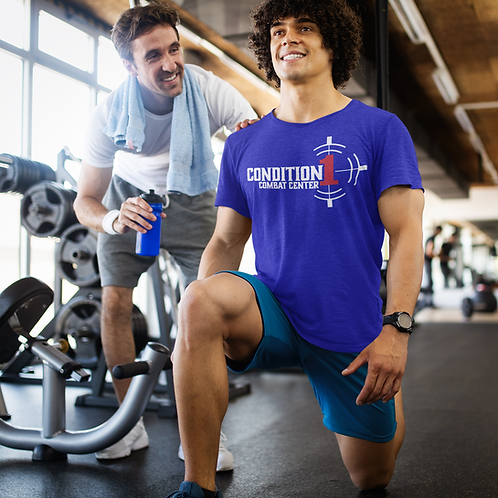
If you want specifics on age groups and placement, the site has a section for kids martial arts Condition 1 Combat Center, and you can access the page for condition1combat.com kids martial arts. The contact form makes it easy to ask about readiness for younger children and how the staff supports neurodiverse students. Families in Spring frequently enroll siblings together to keep schedules sane. The school plans classes accordingly.
Safety and coaching standards you should look for
Self-defense training is high-contact by nature, so safety protocols are non-negotiable. Good gyms keep first aid visible, teach tap etiquette in the first session, and slow rounds if someone loses control. Coaches should demo at realistic speed, then break techniques down into digestible parts. Watch how they handle mismatched partners. Pairings need to be mindful so smaller or newer students get quality training without fearing collisions.
Gear matters. If you plan to hit pads, you need wraps and gloves that fit. For close-range drills, a mouthguard protects teeth and lips. For ground sessions, breathable attire that covers knees and elbows limits mat burn. The gym maintains clean mats and clear walkways, and enforces wipe-down routines. All of this tells you the culture respects longevity. That is how students stick with training long enough to reach real competence.
Pressure, realism, and the right amount of fear
There is a balance between realism and safety. Too much realism too soon spikes fear and locks people up. Too little, and skills evaporate under stress. Condition 1 Combat Center handles this with progressive resistance. You might start a drill where your partner feeds a slow, predictable grab. Once your mechanics are sound, the partner adds uncertainty. They move faster, change sides, or add obstacles like a wall. Eventually, you solve problems with a quickened heart rate and imperfect information. That is the skill that carries outside the gym.
Coaches also cover the legal and ethical framework. Texas law has clear standards on force, escalation, and defense of self or others. Students do not need to become lawyers, but they do need plain-language guidance about proportionality and the risks of chasing a situation that could be avoided. Good training makes room for that conversation, so your decisions are sharper when they matter.
Women training for their goals, not someone else’s
Women often arrive with specific goals. They want a response to grabs, hair pulls, and being pinned against a barrier or car. They care about getting up from the ground quickly while protecting the head. The coaching team treats those goals seriously. Drills simulate realistic grips and ambush angles, and footwork gains priority alongside strikes that do not rely on hand size. Palm strikes, elbows, knees, and low-line kicks to break structure, not fragile knuckles on skulls.
The school culture matters here too. A reliable women’s program has options to partner with other women while still building the skills to manage male partners when the student is ready. Communication is clear. You can always say you need a reset. You can always opt out of a drill and substitute pad work. That respect is what keeps people coming back.
Older adults and late starters
Plenty of students start in their 40s, 50s, even 60s. The key is intelligent martial arts school spring scaling. Instead of jumping into hard sparring, late starters focus on mechanics that protect joints, controlled range management, and core conditioning that supports balance. Coaches modify drills, shorten rounds, and remove impact when needed. Results are concrete. Better posture, sharper awareness, and clean, efficient movement patterns that improve daily life as well as safety.
If that is you, tell your coach what your week looks like. Hard yard work, nursing shifts, or long desk days all affect recovery. A good plan avoids stacking heavy leg days with intense clinch rounds and gives you mobility homework that fits in five minutes. That attention keeps you consistent, which is the only way progress happens.
Measuring real progress, not just collecting techniques
A pile of techniques is useless if you cannot use them under stress. Real progress shows up as faster recognition, cleaner entries, and fewer wasted movements. You can track that with simple milestones.
- You manage distance without thinking, angle off a straight line, and keep your hands in a protective position
- Your first strike lands with structure and balance, and you immediately move your feet to a safer spot
- You break a basic grip within two seconds, then create space and get eyes up to scan for a partner of your attacker
- You get off the ground fast using a safe technical stand-up while protecting your head and hips
- You breathe steadily through a 60 to 90 second drill without gassing out or freezing
Notice none of these are fancy. They are the building blocks of reliable self-defense, and they are what Condition 1 Combat Center martial arts classes reinforce week after week.
How often to train and what to practice between sessions
Twice per week is a sustainable baseline for most adults. Three times per week if your recovery allows it. More than that and you need a deliberate plan to avoid overuse. Between classes, rehearse your stance transitions, technical stand-ups, and a short striking combination at low intensity. Ten minutes keeps pathways fresh. If you commute through garages or lots, walk those routes with awareness cues in mind. Practice looking into reflective surfaces, identifying exits, and noting potential barriers. This blends training with daily life, not as paranoia but as a professional habit of attention.
For kids, shorter, more frequent practice sessions work better. Five minutes of stance, footwork, and boundary language after homework builds retention without overwhelming them. Parents can participate by asking for a quick demo. Kids love to teach what they learned, which also cements the skill.
Scenarios you hope never to face, and how training approaches them
Multiple attackers are rare but must be considered. The goal is movement, not heroics. Angle to keep attackers from surrounding you, use short strikes that do not compromise balance, and identify exit lanes early. Training can simulate this with two partners who pressure while you learn to keep one in the other’s path.
Weapons change the equation sharply. If a blade appears, assume you will get cut if you engage. The best outcomes often come from distance and barriers. If escape is impossible, training drills focus on controlling the limb, disrupting balance, and breaking contact to run. Firearms require a different set of protocols, and a good school acknowledges the extreme risk of attempting disarms. The priority is compliance or escape when possible, and only the most constrained, last-resort actions when you have no other option. A mature program keeps the ego out of that discussion and trains only what can be pressure-tested safely.
Finding the right fit and asking the right questions
Choosing a school is part science, part gut. Visit, watch, ask how beginners are integrated. Notice how the staff talks to students. Respect and precision in language usually mean respect and precision in training. Ask about coach backgrounds, but look for how they teach, not how many trophies sit on a shelf. Trophies are fine. Clear instruction under pressure is better.
When you reach out through self defense classes condition1combat.com or martial arts classes condition1combat.com, ask about trial options, the mix of striking and grappling in the beginner track, and how often scenarios are run. If you have a specific concern, for example, late-night retail shifts or frequent travel, mention it. Coaching can tailor scenarios to real contexts, like getting into a car with hands full of bags, or managing a crowded hallway at school pick-up.
Culture is curriculum
Gyms talk technique, but you train the culture as much as the moves. The best rooms show up on time, put phones away, and help new people feel competent. They celebrate small wins, like a clean break from a two-on-one grip, and they fix errors in posture or footwork calmly without sarcasm. That culture is part of why Condition 1 Combat Center martial arts feels like a professional training environment, not a movie set. People come to get skilled and leave safer than they walked in.
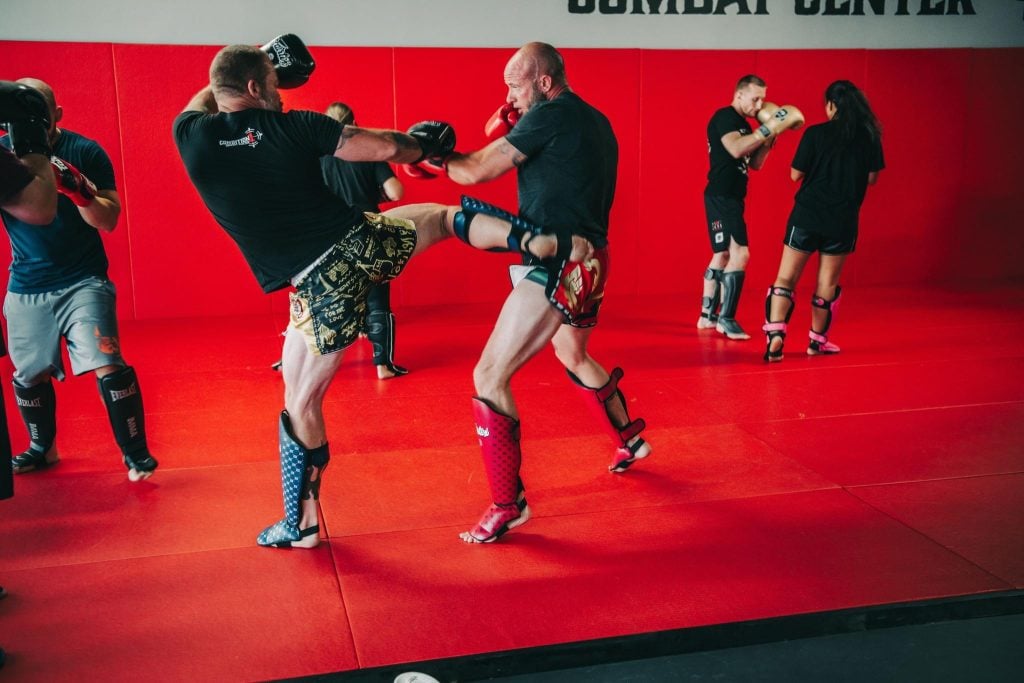
I have seen athletes transfer habits from the mat to their lives. A nurse handles a combative patient with calm positioning and safe grips, avoiding injury to both. A bar manager angles out of a bottleneck fight and ushers staff to the door. A parent de-escalates a sideline argument by giving space and using plain language. These are not hypothetical. They are common outcomes when practice includes awareness, distance, and posture as much as punching.
Practical notes on time, money, and commitment
Memberships vary by program and frequency. Expect ranges that reflect coached, small-group instruction with facility upkeep and equipment. Ask about discounts for families or first responders if they apply to you. What matters more than the exact price is how often you can attend and whether the schedule fits your life. If you can only train once every ten days, skills will slide. Build a routine you can keep.
Bring water, a small towel, and clothing that lets you move. For striking classes, wrap your hands and use well-fitted gloves. For grappling or close-range drills, a mouthguard is smart. If the gym sells starter kits, that is usually a fair value, and it saves you the guesswork of piecing gear together online. Clean gear and consistent attendance matter more than any brand on your gloves.
How to get started today
If you are in Spring or nearby neighborhoods, the simplest next step is to visit condition1combat.com and look for beginner-friendly options. The navigation makes it easy to compare Condition 1 Combat Center martial arts classes across adult and youth programs. If you prefer to be direct, the pages for self defense classes condition1combat.com and condition1combat.com adult martial arts training let you request a first session right away. Families can start with condition1combat.com kids martial arts to find age-appropriate groups.
Show up with an open mind and five minutes to spare before class. Tell the coach any concerns or past injuries. Expect a clear safety briefing and a plan that meets you where you are. You will throw your first pad strikes, learn to frame and move your feet, and leave with homework you can practice at home. The work is honest. The payoff is practical. In a few weeks, you will notice that you stand a little taller, your eyes move a little sooner, and your choices come a little faster. That is what training is for.
Why starting now matters
Skills fade when they only live in your head. The sooner you begin, the sooner your nervous system starts to adapt. You learn to regulate adrenaline, to separate useful fear from freezing panic, and to move through chaos with a plan. Spring, TX is a community that values self-reliance and neighborly care. Training supports both. You become harder to victimize, and you become a better protector of the people around you, without turning every situation into a fight.
Give yourself a season, not a single class. Show up two or three times a week, take notes, and let the process work. When you need it, you will not have to think. Your body will do what you have practiced. That is the quiet confidence you carry out of Condition 1 Combat Center and into the rest of your life.
Ends · MARTINBQMS698