Spring, TX Community Favorite: Condition 1 Combat Center martial arts classes
Walk into any busy strip along the Grand Parkway on a weeknight and you will see it. Parents doing pickup runs, teens in team shirts, and, tucked into one of those centers, a mat full of people drilling footwork, breakfalls, and controlled combinations. That steady, purposeful energy is why martial arts has become a fixture for families in Spring, TX, and why Condition 1 Combat Center martial arts classes consistently come up in neighborhood recommendations. People are not just chasing a workout. They are choosing a skill set that shows up at work, at school, and in everyday life.
What makes a program a genuine community favorite
A martial arts school does not become a go‑to with marketing alone. The difference comes down to how it handles the long middle, not the flashy beginning. New students arrive curious and a bit nervous. Six months later they must still feel guided, challenged, and safe. In my experience evaluating programs across Texas, the schools that keep families engaged have a few things in common: transparent coaching, consistent structure, and a culture that respects effort over bravado. It looks like well run classes that start on time, instructors who can explain a technique three different ways to match three different learning styles, and a community that celebrates small wins like a clean hip escape or a solid guard recovery, not just medals.
You can sense it the first time you visit. The front desk greets you by name after the second visit. Coaches use first names on the mat and call out technical details, not just encouragement. Sparring or situational drills are observed closely, with partners matched by size and experience. Parents watch a kids class and hear instructors talking about character, attention, and responsibility alongside round kicks and sprawls. The result is discipline without toxicity, progress without pressure to be perfect, and a training floor that welcomes beginners while pushing veterans to refine fundamentals.
What to expect from a first visit
If you are exploring martial arts classes at Condition 1 Combat Center, plan for a short tour and a conversation about goals. Most students begin with a trial class to understand the rhythm. A well run session for beginners usually follows a clear arc. There is a dynamic warmup to prep joints and raise heart rate, then a technical block focusing on a small set of related skills, then partner drills that climb in complexity. The end of class might feature controlled rounds or scenario training, followed by a brief cool down. Expect corrections that are specific and respectful. Good coaches explain why a change matters, then they give you a cue you can take into the next rep.
Wear comfortable athletic clothes and bring water. If you do not own gloves, shin guards, or a gi, the gym will typically loan gear for your trial. Ask where to stand and how to line up at the start. Basic etiquette matters. Bowing or a short salute, handshakes before partner work, and quick glove touches signal respect and keep the room focused. A clean mat policy is a good sign. So are posted safety rules about striking power, tapping early on submissions, and zero tolerance for bullying.
Kids classes that build skills beyond the mat
Condition 1 Combat Center kids martial arts programs tend to draw families who want focus, fitness, and practical confidence. Good kids classes are not mini versions of adult training. The design should reflect child development. Shorter activity blocks maintain attention. Drills turn problem solving into games. Teaching cues stay simple and memorable. The goal is not to memorize a hundred techniques but to build core movement patterns and decision making.
For a seven year old, that might look like learning to fall safely, stand up under pressure, and keep hands up while moving backward. For the nine to twelve range, you will often see more coordinated combinations, takedown defense basics, and anti‑bullying verbal scripts. I like to see quick mat talks about when to use force and when to seek help. Programs that serve kids well integrate character habits into the flow of class. A coach might tie a stance correction to everyday posture, or link breath control in a clinch to calming down before a test at school.
Parents sometimes ask how progress is measured. Belts and stripes, if used, should reward consistency and technical competency, not just attendance. Look for clear criteria. For example, a stripe for demonstrating three clean escapes under light resistance, or a belt promotion after showing safe control in a supervised sparring round. Tournaments are optional, not a requirement. Some kids thrive on competition; others excel in class but do not enjoy the spotlight. Both paths should be respected.
If your family is considering kids martial arts Condition 1 Combat Center, try to watch a class start to finish. Note how instructors manage energy. Are high‑energy students engaged with tasks instead of singled out? Are shy students gently brought into partner work? That coaching judgment, moment to moment, is what makes or breaks a program for children.
Adult training that respects time, joints, and real progress
Most adults walk in with two goals that occasionally compete. They want to learn practical self defense and they want to get in shape without blowing out a knee or a shoulder. Condition 1 Combat Center adult martial arts training works best when classes scale everything, from stance work to live rounds. A 40 year old beginner after a desk job day needs different on‑ramps than a 19 year old athlete.
Good instruction starts with posture, base, and breathing. In a striking context, that is a balanced stance, hands that return to guard after every shot, and footwork that keeps you safe more than flashy. In grappling, it is hip movement, frames, and the habit of protecting your neck. Early goals are modest and measurable. Hold a basic guard with posture breaks for two minutes. Work a jab, cross, low kick sequence on pads with tight returns, thirty seconds on, thirty off, for six rounds. Show one clean technical stand up under light pressure.
Condition 1 Combat Center adult martial arts training often includes cross training between striking and grappling or self defense focused sessions. Switching modalities helps prevent plateaus and overuse injuries. On a busy week, two classes are enough to maintain, three to four build momentum. Mix skill and conditioning. Pure conditioning without technical focus can feel like progress but often yields little transferable skill. Conversely, pure technique without intensity blocks does not prepare you for adrenaline spikes. A smart week balances both.
Recovery decides whether you can show up again. Learn to scale contact. Ask partners to keep sparring at a negotiated percentage. Use movement rounds where the goal is positional control, not finishes. Tapping early and often is not a mark against you, it is proof that you are training with longevity in mind. Keep a simple logbook. Jot the date, the key drills, what clicked, and one thing to fix. After 90 days you will see patterns that coaching alone might miss.
Self defense classes with purpose
Interest in self defense brings many adults to the mat. When you see condition1combat.com self defense classes mentioned in martial arts school near me local groups, the focus is usually on realistic scenarios taught at a humane tempo. Good self defense instruction is not movie choreography. It is situational, ugly around the edges, and heavy on awareness and avoidance. The goal is to buy seconds, escape lines, and distance, not to win a hypothetical fight.
Expect training on boundary setting, verbal skills, and posture that communicates confidence without escalation. Hands up in a nonthreatening frame protects your face and looks like a gesture of de‑escalation. Footwork matters as much as strikes. In close quarters, palm strikes, elbows, head positioning, and clinch breaks translate under stress better than long combinations. Grip fighting and jacket control help when clothing becomes a handle. Ground survival emphasizes frames, shrimping, knees inside, and getting up while protecting your head.
Responsible self defense classes address the legal and ethical context. That can be as simple as outlining the principles of proportionality and the duty to retreat where applicable, while making clear that any specific legal advice belongs with an attorney. Scenario drills should include verbal lead‑ins, not just silent attacks. Practicing how to be loud, get attention, and disengage is a skill. If you search for self defense classes condition1combat.com or browse condition1combat.com self defense classes, use the trial to see whether training aligns with these principles.
How instruction quality shows up on the mat
I look for a few instructor cues when evaluating a program like Condition 1 Combat Center martial arts classes. First, coaches should be able to demo at the right speed. Too slow and the movement loses shape, too fast and beginners miss details. Second, instructors must recognize when a student needs a different cue. Some people respond to anatomical language. Others need imagery. A classic example in guard recovery: cue one person to keep elbows inside and frame on the hip bones, tell another to imagine building a fence with forearms to block a passer. Same outcome, different hooks.
Feedback should be specific and immediate. Rather than saying good job, say that was the right angle on your shin, now compress your elbow to seal the frame. The best rooms run partner switches that pair students by height and experience. Round length changes based on the drill. Technical rounds should be long enough for patterning, live rounds short enough to prevent slop when fatigue sets in. Coaches float and watch for red flags: locked out joints on armbars, neck ties that compress the spine, power spikes in sparring when partners mismatch expectations.

Culture, safety, and the feel of the room
Culture is not a poster on the wall. It is how people talk to each other when the coach turns away. Listen for how upper belts or advanced students greet beginners. Do they help with glove wraps or gi tying without condescension, or do they huddle with peers? Watch how the room handles mistakes. Good cultures normalize tapping, partner communication, and do‑overs. Bad cultures shame people and hide injuries.
Safety protocols should be obvious. Clean mats, no outdoor shoes past the threshold, a posted skin check policy, and clear injury procedures. Gear is inspected regularly. Mouthguards in for live rounds. Headgear and shin guards where appropriate. In grappling, emphasis on neck safety prevents long term issues. All of that protects your ability to train next week.
Pricing, value, and what you really pay for
Membership prices range based on class access, schedule, and whether you add private lessons. You are paying for coaching quality, mat availability, and the reliability of a schedule that fits your life. Contracts are common. Month to month options exist, sometimes at a premium. Ask about family plans and multi‑class discounts if you train across disciplines.
Red flags include aggressive upsells during your trial or vague answers about cancellation. Green flags include clarity around freeze options for travel or injury, transparent gear policies, and honest guidance about which plan fits your goals. If you are searching martial arts classes condition1combat.com or browsing condition1combat.com martial arts classes, look beyond headline prices. The cheapest option that you cannot sustain because of timing or culture costs more in the long run than a fairly priced plan that keeps you consistent.
Getting started the smart way
Treat your first month like a test drive for your body, schedule, and brain. The point is not to blast intensity. It is to build attendance momentum and technical foundations that make future work safer and more rewarding. If you can, space training days to allow recovery. Bring a simple gear kit: a change of clothes, tape, a small towel, and water. If you already own gloves or a gi, bring them, but borrow first to confirm sizing and style. Keep the ego low. Respect the room, ask questions, and accept corrections.
Here are focused questions that help you evaluate any program, including martial arts classes Condition 1 Combat Center:
- How do beginner students progress in the first 60 to 90 days, and how is that tracked?
- What safety rules govern contact levels in sparring and who enforces them?
- How do coaches match partners by size, experience, and intensity?
- Are there options for skills‑only rounds or technical sparring separate from hard rounds?
- How are injuries and time‑offs handled in terms of membership and reintegration?
A 90 day roadmap you can adapt
Ninety days is enough to establish habits, learn fundamentals, and see the first real changes in confidence and conditioning. This roadmap fits a beginner mixing striking, grappling, and a self defense focus. Adapt based on what Condition 1 Combat Center offers on your preferred days and your current fitness. Keep sleep and nutrition consistent, and log your sessions in one notebook.
- Week 1 to 2: Two classes per week. One fundamentals striking or padwork session, one grappling or movement session. Focus on stances, base, and guard recovery. No live rounds unless your coach recommends controlled movement rounds.
- Week 3 to 4: Three classes per week. Add a self defense focused session. Begin light situational rounds under supervision. Keep intensity at a conversational pace. Learn how to ask partners for a 30 to 40 percent round.
- Week 5 to 8: Three to four classes per week with one day as technique only. Start short live rounds with clear boundaries. In striking, limit to jab, cross, low kick combinations. In grappling, begin with positional sparring from safe starting points.
- Week 9 to 10: Add a private lesson if budget allows to refine sticking points. Review video of your pad rounds or rolling if permitted. Adjust stance, breathing, and footwork based on feedback.
- Week 11 to 12: Consolidate. Test yourself with a mock round, two minutes on, one off, repeated three to five times. Emphasize recovery between rounds. Schedule a rest week after day 90 with reduced volume to let gains sink in.
For parents supporting young students
Children thrive on clear expectations and attainable milestones. If you enroll in Condition 1 Combat Center kids martial arts, keep the routines simple. Help your child pack their bag the night before class. Arrive five to ten minutes early so they can transition. Praise effort, not just outcomes. If they struggle with a technique, ask the coach for a home drill that takes two to three minutes. Short, fun practice beats long, frustrating sessions.
If your child is nervous about contact, let the instructor know privately. Good coaches have progression steps ready. They can keep training productive without forcing jumps. If competition opportunities arise, frame them as optional adventures, not benchmarks of worth. Win or lose, the feedback loop is the point. Your child should learn to say what went well and what they will adjust next time.
For adults balancing work and training
Most adults in Spring commute, juggle family, and work odd hours. The temptation is to cram sessions back to back on weekends. That can work in the short term, but the body learns better with spaced practice. Two weeknights plus a Saturday session can be ideal. The mental health benefits show up early. You leave class with a clearer head. Sleep improves in three to four weeks as your nervous system adapts to healthy stress.
If you travel, ask about drop‑in options or remote homework. Shadowboxing or hip escape ladders on a hotel carpet keep your groove. Bands, a jump rope, and a small notebook are a portable training kit. Some students schedule a private lesson right after a travel block to knock off rust and prevent discouragement. It works.
Technique notes that pay dividends
You do not need a thousand techniques to feel capable. A handful, done consistently well, carry most of the load. In striking, learn to own your jab. A stiff jab from a balanced stance wins time and space. Drill it off the line and while circling. Mix in a low kick with proper shin angle, and practice returning your foot to base, not falling into your shot. Keep exhalations short and crisp, one breath per strike, to avoid holding air and tensing up.
In grappling, master the technical stand up. You will use it every week. Combine it with frames that keep your hips active. From mount or side control escapes, focus on building frames first, not bucking wildly. On submissions, emphasize set ups that use angles and leverage. In positional work, always know your exit. The best students at six months are not the ones who know the fanciest move, they are the ones who can get to safe positions under pressure.
Evaluating fit without guesswork
If you are searching martial arts Condition 1 Combat Center, martial arts classes condition1combat.com, or Condition 1 Combat Center martial arts, use your first two weeks to check three signals. First, do classes start and end on time. Second, do you feel safe with every partner. Third, can coaches explain not just what to do, but why this technique in this context. If those answers are yes, you likely found the right room.
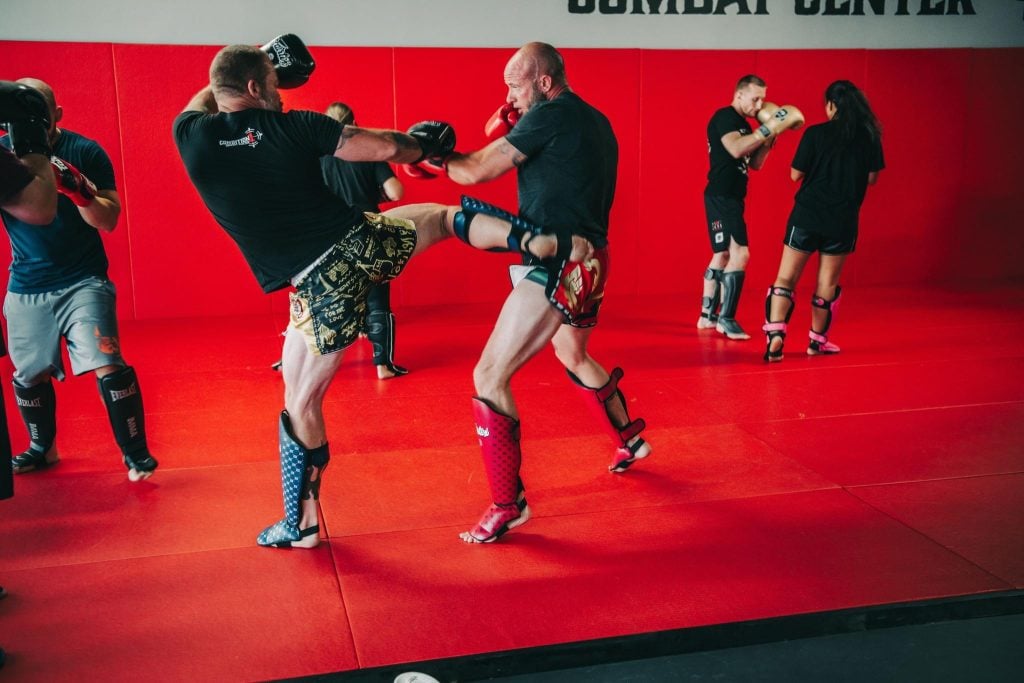
When you look at condition1combat.com martial arts classes or condition1combat.com adult martial arts training, look for schedules that let you build rhythm. Try two different coaches if possible. Styles vary. One coach may emphasize drilling density, another flow and movement. Both can be effective. The key is finding the coaching voice that lands with you.
Community, charity, and how a gym shows up locally
Gyms that thrive in Spring tend to open their doors, literally and figuratively. They might host open mats that welcome visitors, or they invite families for belt ceremonies that feel like neighborhood gatherings. Sometimes they support local causes with seminars or donation drives. If that matters to you, ask about it. You will learn a lot about a school from how it talks about the broader community.
A community favorite also tends to be practical about Texas realities. Summers run hot and humid. Good coaches build hydration breaks into sessions and remind students about electrolytes, not just water. Allergy seasons roll through Spring twice a year. A flexible attendance policy that does not punish missed classes for health or family reasons keeps people on the mat for years, not weeks.
Bringing it all together
Condition 1 Combat Center martial arts classes are popular in Spring, TX because they address real needs. Kids gain focus, confidence, and practical skills that translate to school and life. Adults learn self defense principles and rediscover durable fitness in a room that values safety and respect. Look past slogans and check the substance: coaching clarity, culture, and consistency. If those pieces are in place, the rest follows.
If you are ready to explore, search for martial arts classes Condition 1 Combat Center, visit condition1combat.com martial arts for schedules, and, if self protection is your priority, look for options tied to self defense classes condition1combat.com. Bring a friend to your trial. Ask the right questions. Start with manageable frequency. Stay long enough to experience the small transformations that stack into a larger one. Six months from now, you will likely recognize the person tying their belt or tightening their gloves, focused and steady, and realize you became them one class at a time.
Ends · MARTINBQMS698